Czym jest zawór motylkowy i jak działa? Kompletny przewodnik | Zawór GEKO
Sep 17, 2026
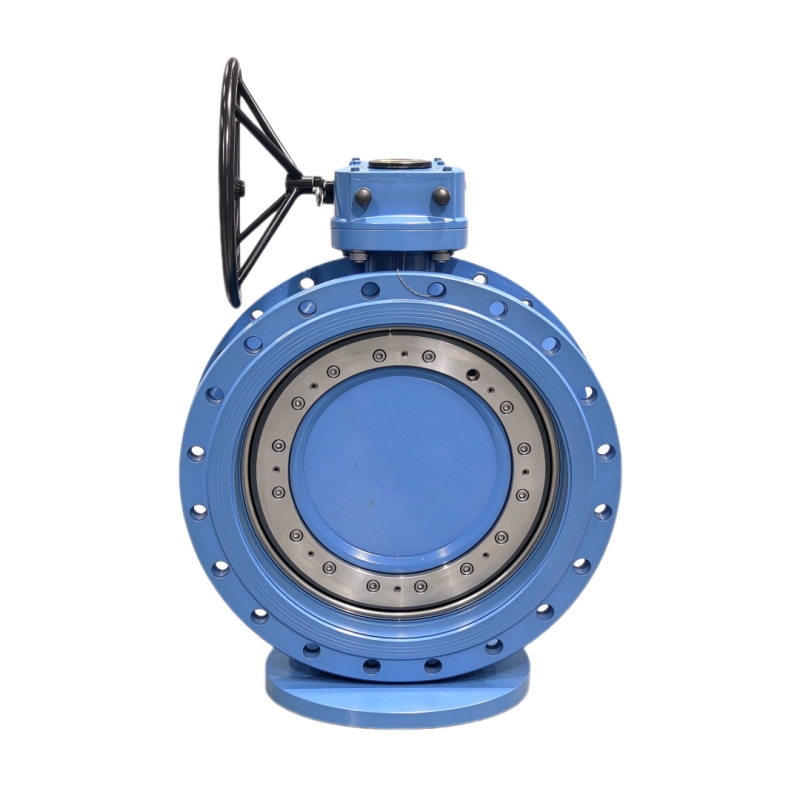
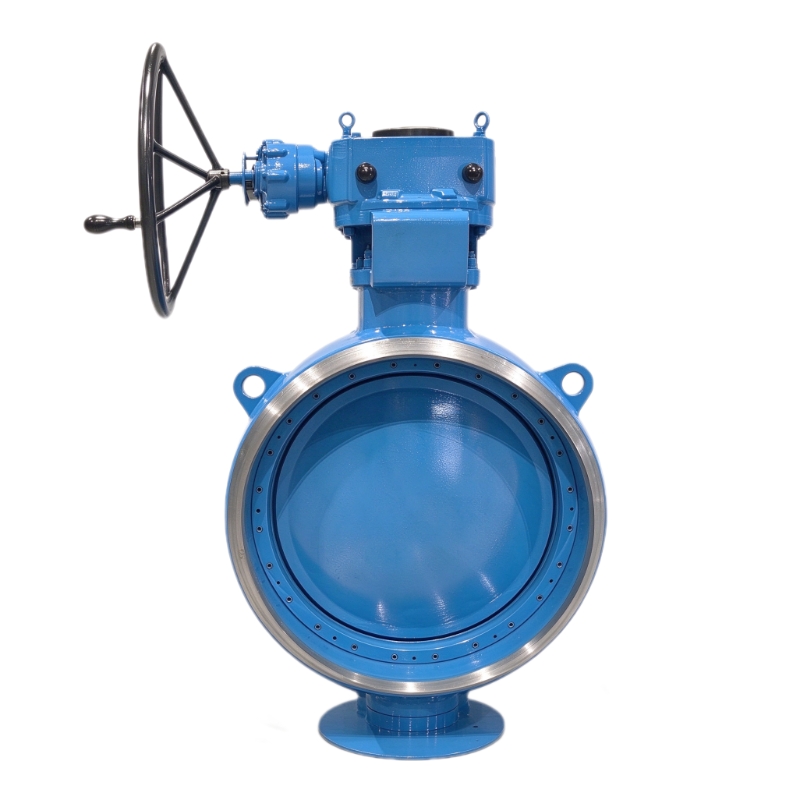
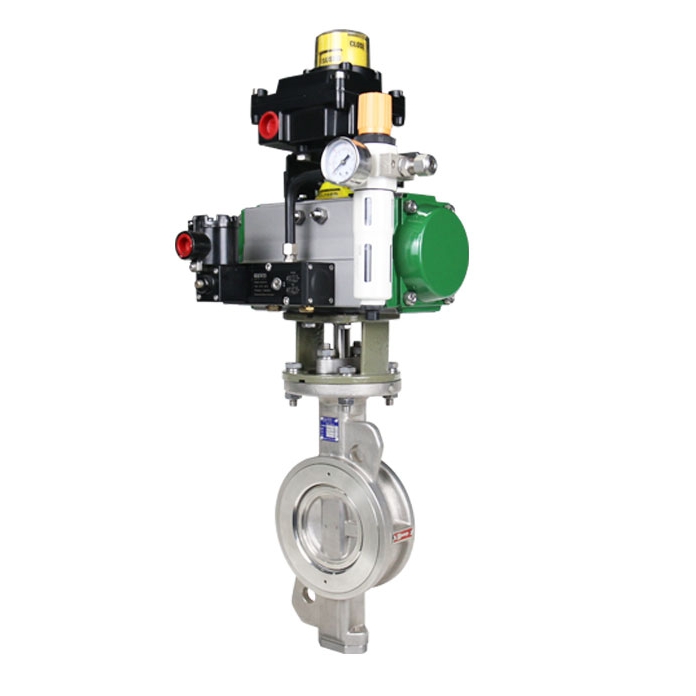
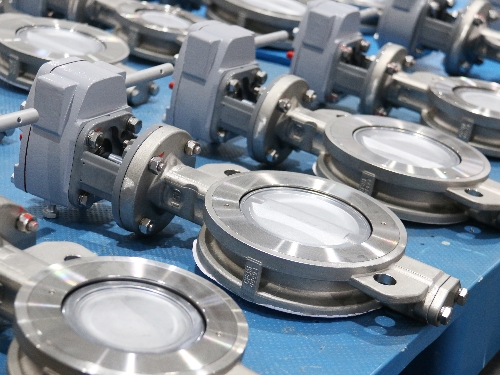
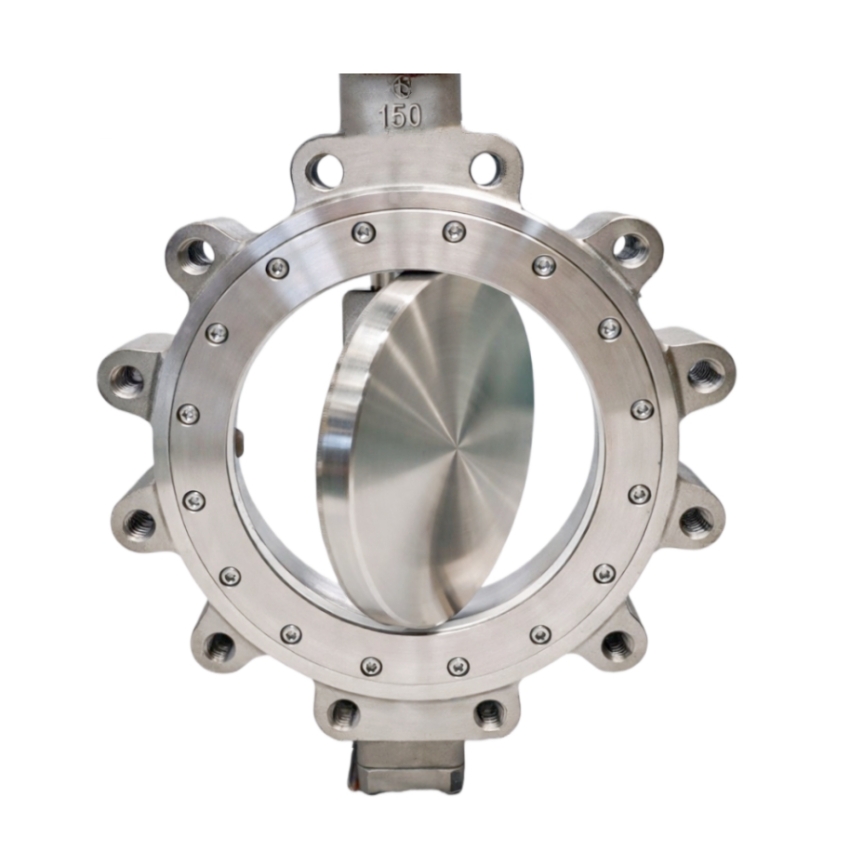
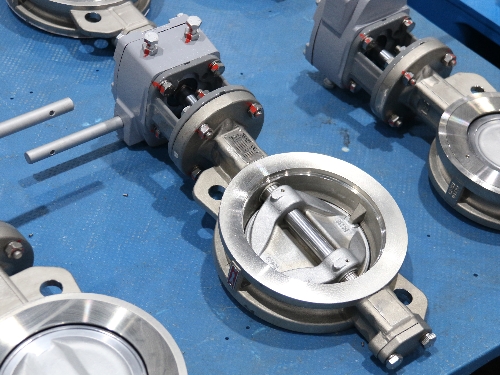
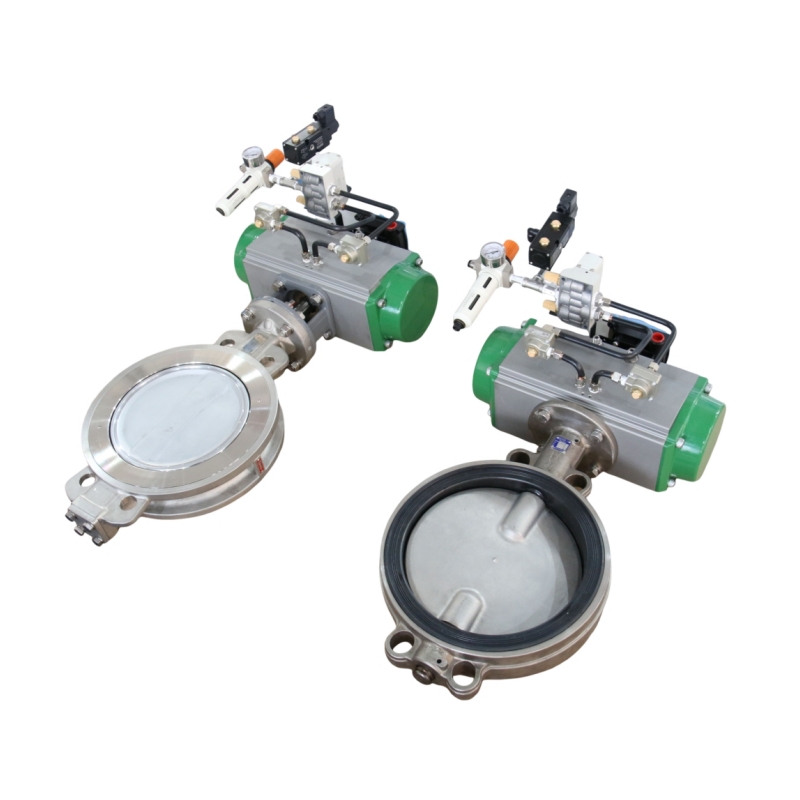
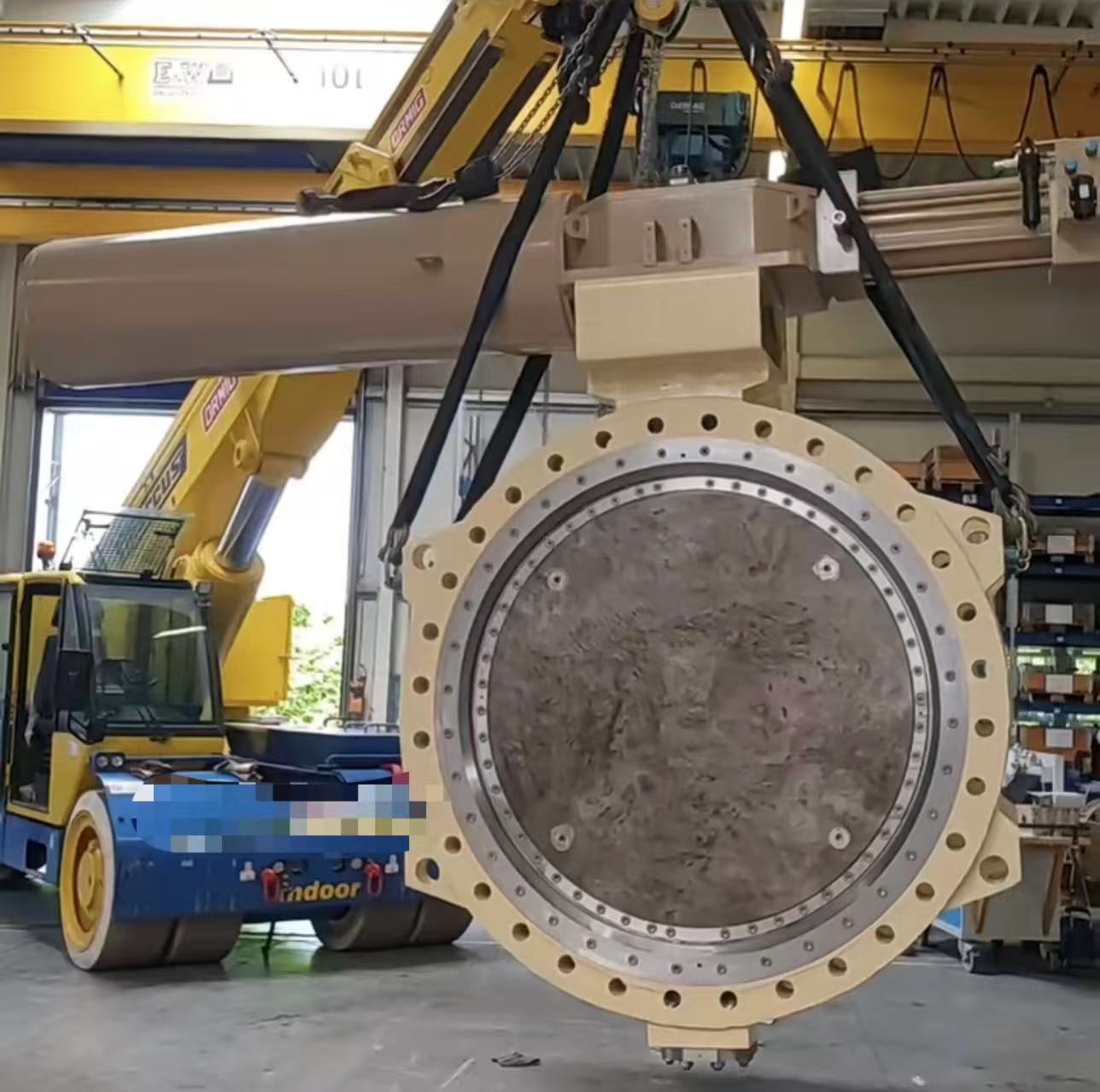
Czym jest zawór motylkowy i jak działa? Kompletny przewodnikZawór motylkowy to wysokowydajne, ćwierćobrotowe urządzenie do regulacji przepływu, szeroko stosowane w komercyjnych i przemysłowych systemach rurociągowych. Znany ze swojej ultrakompaktowej konstrukcji, lekkiej konstrukcji, szybkiej pracy i oszczędności kosztów, zawór motylkowy znacznie różni się od zaworów kulowych, zasuw i zaworów grzybkowych pod względem konstrukcji i zasady działania. Jest to preferowany typ zaworu do izolowania, dławienia i regulacji przepływu w rurociągach o dużej średnicy. Aby pomóc inżynierom i nabywcom w precyzyjnym zastosowaniu tego zaworu w różnych projektach, niniejszy przewodnik w pełni wyjaśnia definicję, budowę wewnętrzną, zasadę działania, typy rdzeni oraz charakterystykę przemysłową zaworów motylkowych.1. Czym jest zawór motylkowy?Zawór motylkowy to zawór obrotowy, który wykorzystuje tarczowy element zamykający do sterowania przepływem cieczy. Główne elementy zaworu obejmują korpus zaworu, trzpień centralny, tarczę motylkową i gniazdo uszczelniające. W porównaniu z tradycyjnymi zaworami przemysłowymi, zawory motylkowe charakteryzują się krótszą długością zabudowy, mniejszą masą i mniejszą przestrzenią montażową, co czyni je idealnymi do systemów rurociągów o dużej średnicy, gdzie zawory kulowe i zasuwy są duże i drogie.Przemysłowe zawory motylkowe przeznaczone są do mediów ciekłych, gazowych i płynnych o niskiej lepkości, szeroko stosowane w systemach uzdatniania wody, HVAC, przeciwpożarowych, chemicznych, energetycznych i komunalnych. Mogą realizować funkcję pełnego otwarcia, pełnego zamknięcia oraz częściowego dławienia przepływu, uwzględniając zarówno funkcje odcinające, jak i regulacyjne. 2. Struktura rdzenia zaworu motylkowegoStabilna praca przepustnicy zależy od precyzyjnego dopasowania układu konstrukcyjnego. Główne elementy i ich funkcje są następujące:Korpus zaworu:Główna powłoka ciśnieniowa, dostępna w wykonaniu z żeliwa, żeliwa sferoidalnego, stali węglowej i stali nierdzewnej, wytrzymuje całkowite obciążenie ciśnieniowe rurociągu.Trzonek zaworu:Wał napędowy łączący siłownik z tarczą motylkową, przekazujący moment obrotowy w celu napędzania tarczy.Motylowy dysk:Główny element kontroli przepływu, obracający się o 90 stopni w celu zablokowania lub otwarcia przepływu płynu; opływowa konstrukcja dysku skutecznie zmniejsza opór przepływu.Uszczelniacz siedzenia:Zainstalowane na wewnętrznej ścianie korpusu zaworu, w tym uszczelki gumowe miękkie i uszczelki metalowe twarde, odpowiedzialne za szczelne zamknięcie rurociągu.Urządzenie uruchamiające:Obejmuje dźwignię ręczną, przekładnię, siłowniki pneumatyczne i elektryczne, stosowane do sterowania przełączaniem i regulacją zaworów.3. Jak działa zawór motylkowy? (Zasada działania)Zasada działania zaworu motylkowego opiera się na Ruch obrotowy o ćwierć obrotu w zakresie 90 stopniz prostą i skuteczną logiką działania:Gdy zawór otrzyma sygnał otwarcia, siłownik obraca trzpień zaworu i tarczę motylkową o 90 stopni w poziomie. W tym momencie tarcza jest równoległa do kierunku przepływu cieczy, a rurociąg tworzy całkowicie otwarty kanał z minimalnym oporem przepływu.Podczas zamykania zaworu, tarcza obraca się ponownie o 90 stopni, ustawiając się prostopadle do kierunku przepływu cieczy. Powierzchnia tarczy ściśle przylega do gniazda uszczelniającego, całkowicie blokując przepływ cieczy i zapewniając izolację rurociągu oraz szczelne zamknięcie.Oprócz pełnego otwierania i zamykania, tarcza motylkowa może pozostawać pod dowolnym kątem pośrednim w zakresie od 0° do 90°, realizując precyzyjne dławienie przepływu i regulację ciśnienia, dzięki czemu zawory motylkowe przewyższają zawory zasuwowe pod względem wydajności kontroli przepływu.4. Główne typy zaworów motylkowych według konstrukcji i uszczelnieniaZe względu na formę uszczelnienia i konstrukcję, przemysłowe zawory motylkowe dzielą się na dwie główne kategorie, dostosowane do różnych warunków pracy:4.1 Zawór motylkowy z miękkim siedziskiemZawory motylkowe z miękkim gniazdem wykorzystują jako elementy uszczelniające elastyczne materiały gumowe, takie jak EPDM, NBR i Viton. Wykorzystują one sprężystą odkształcalność gumy, aby zapewnić szczelność i brak przecieków. Dzięki niskim kosztom i dobrym właściwościom uszczelniającym, nadają się do wody o normalnej temperaturze, powietrza i konwencjonalnych mediów niekorozyjnych, są szeroko stosowane w miejskich systemach wodociągowych, HVAC i przeciwpożarowych.4.2 Zawór motylkowy z gniazdem metalowymZawory motylkowe z metalowym gniazdem posiadają twardą konstrukcję uszczelniającą typu metal-metal z napawaniem powierzchni dysku i gniazda stopem. Charakteryzują się odpornością na wysokie temperatury, wysokie ciśnienie i ścieranie, a także są odporne na działanie pary wodnej o wysokiej temperaturze, spalin oraz agresywnych mediów przemysłowych. Są one głównym wyborem do ciężkich warunków przemysłowych.4.3 Zawór motylkowy typu Wafer vs LugZawór motylkowy waflowy: Zaciskany pomiędzy dwoma kołnierzami rurowymi, o ultracienkiej obudowie, oszczędzający miejsce, odpowiedni do kompaktowych instalacji.Zawór motylkowy Lug:Z gwintowanymi uchwytami po obu stronach, przykręcana na stałe instalacja, umożliwiająca konserwację i demontaż rurociągu jednostronnego, wygodna w przypadku remontów rurociągów przemysłowych.5. Obsługa zaworu motylkowego ręczna a automatycznaZawory motylkowe obsługują zróżnicowane tryby sterowania, aby sprostać różnym potrzebom częstotliwości pracy i automatyzacji:Ręczny zawór motylkowy: Wyposażone w dźwignię lub przekładnię, odpowiednie do ręcznej obsługi na miejscu o niskiej częstotliwości, ekonomiczne i łatwe w konserwacji.Pneumatyczny zawór motylkowy: Napędzane ciśnieniem powietrza, duża prędkość przełączania, doskonałe właściwości przeciwwybuchowe, odpowiednie do niebezpiecznych środowisk przemysłowych.Elektryczny zawór motylkowy:Napędzany siłownikiem elektrycznym, obsługujący zdalne sterowanie, sprzężenie zwrotne sygnału i regulację proporcjonalną, pasujący do inteligentnych systemów sterowania rurociągami.6. Główne zalety zaworów motylkowychUltrakompaktowy i lekki, oszczędzający miejsce instalacji i koszty inżynieryjneSzybka operacja ćwierćobrotu o 90 stopni, poprawiająca wydajność reakcji rurociąguNadaje się do systemów rurociągów o dużej średnicy przy niskich kosztach całkowitychPodwójna funkcja izolacji i dławienia przepływuProsta konstrukcja, niewiele części ulegających zużyciu i niskie koszty utrzymania7. Zastosowania przemysłowe zaworów motylkowychZawory motylkowe są powszechnie stosowane w rurociągach o niskim i średnim ciśnieniu oraz dużym przepływie, w tym w komunalnych systemach uzdatniania wody, systemach chłodzenia HVAC, systemach rurociągów przeciwpożarowych, systemach przesyłu płynów chemicznych, systemach obiegu wody w elektrowniach oraz projektach ochrony środowiska związanych z oczyszczaniem spalin i gazów spalinowych.8. Zawory motylkowe GEKO Valve wysokiej jakościFirma GEKO Valve oferuje pełną gamę przemysłowych zaworów motylkowych, w tym międzykołnierzowych i z gniazdem przelotowym, z miękkim i metalowym siedziskiem, a także zaworów motylkowych z napędem ręcznym, pneumatycznym i elektrycznym. Nasze produkty charakteryzują się precyzyjnym odlewem i opływową konstrukcją tarczy, zapewniając stabilne uszczelnienie, elastyczność działania i wysoką adaptowalność do warunków pracy. Wszystkie zawory spełniają międzynarodowe normy przemysłowe, zapewniając niezawodne rozwiązania do sterowania przepływami o dużej średnicy w globalnych projektach rurociągów komunalnych i przemysłowych.9 podstawowych słów kluczowych SEO: Zawór motylkowy Wafer, zawór motylkowy Lug, zawór motylkowy z miękkim siedziskiem, zawór motylkowy z metalowym siedziskiem, pneumatyczny zawór motylkowy, elektryczny zawór motylkowy, zawór motylkowy o dużej średnicy, przemysłowy zawór motylkowy, zawór motylkowy ćwierćobrotowy
CZYTAJ WIĘCEJ






 E-mail
: info@geko-union.com
E-mail
: info@geko-union.com
 E-mail
: info@geko-valves.de
E-mail
: info@geko-valves.de
 E-mail
: tw@geko-union.com
E-mail
: tw@geko-union.com
 E-mail
: nl@geko-union.com
E-mail
: nl@geko-union.com


 Obsługiwana sieć IPv6