


CZEGO SZUKASZ?
Zawory kulowe to jedne z najpowszechniej stosowanych zaworów odcinających i regulacyjnych w nowoczesnych systemach przemysłowych. Wyposażone w sferyczny element zamykający z prostą ścieżką przepływu, zawory kulowe zapewniają szybką pracę (ćwierć obrotu), niskie opory przepływu, niezawodne i szczelne zamknięcie oraz prostą konserwację. Jednak przy dziesiątkach dostępnych typów konstrukcji, materiałów korpusu, klas ciśnienia i rozwiązań uszczelnień, wielu inżynierów ma trudności z wyborem odpowiedniego zaworu kulowego, dopasowanego do konkretnego medium procesowego, warunków pracy i budżetu projektu. Niniejszy poradnik omawia wszystkie kluczowe czynniki wpływające na wybór właściwego zaworu kulowego do zastosowań przemysłowych, aby uniknąć przedwczesnych awarii, nieplanowanych przestojów i nadmiernych kosztów operacyjnych.
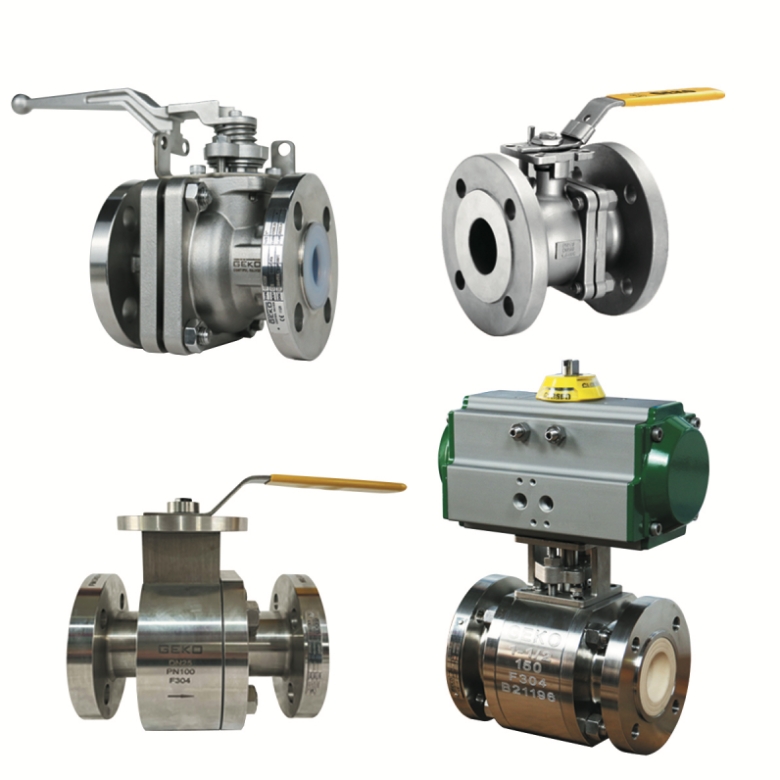
1. Potwierdź parametry warunków pracy
Pierwszym krokiem w wyborze zaworu kulowego jest ustalenie podstawowych danych eksploatacyjnych, które stanowią podstawę wszystkich późniejszych decyzji dotyczących konfiguracji.
Medium robocze: woda, gaz ziemny, para wodna, olej, rozpuszczalnik chemiczny, szlam, płyn żrący lub medium kriogeniczne. Właściwości medium determinują materiał korpusu zaworu, uszczelnienia i gniazda.
Ciśnienie robocze: ciśnienie nominalne, maksymalne ciśnienie wyłączenia i możliwy skok ciśnienia. Wybierz odpowiednią klasę ciśnienia (klasa 150, klasa 300, klasa 600, PN16, PN25, PN40 itd.).
Temperatura pracy: niska, normalna, średnia lub wysoka. Temperatura bezpośrednio ogranicza użyteczność materiału uszczelniającego.
Wymagania dotyczące przepływu: Wyłącznie funkcja całkowitego odcięcia lub częściowej modulacji przepływu. Standardowe zawory kulowe są zoptymalizowane do pracy w trybie włącz/wyłącz; do regulacji przepływu zalecane są segmentowe zawory kulowe V-port.
Przepływ i rozmiar rury: Dopasuj rozmiar otworu zaworu do średnicy rury; wybierz konstrukcję z pełnym lub zmniejszonym portem.
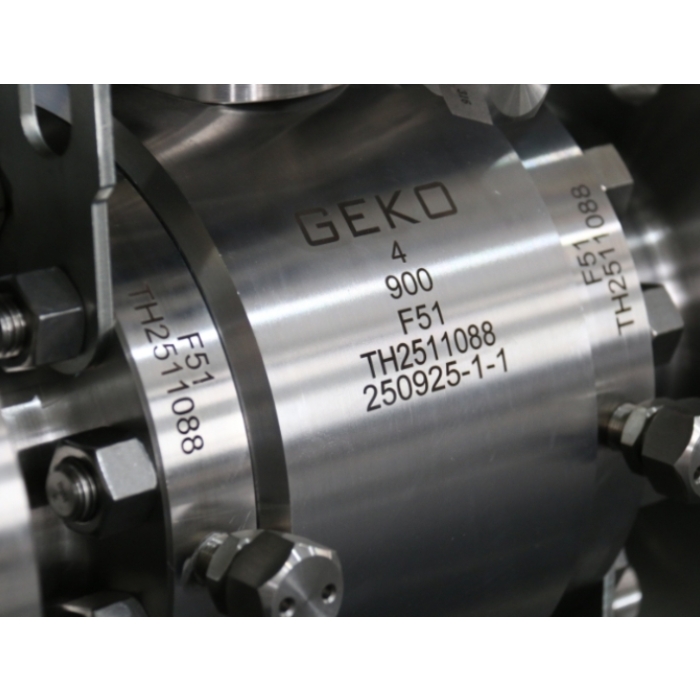
2. Wybierz styl konstrukcji korpusu zaworu kulowego
Zawory kulowe przemysłowe dzielą się na wiele rodzajów konstrukcji, przeznaczonych do różnych zastosowań:
Zawór kulowy pływający
Kula jest podtrzymywana wyłącznie przez dwa gniazda. Prosta konstrukcja, ekonomiczna. Najlepsza do rurociągów niskiego i średniego ciśnienia. Szeroko stosowana w systemach uzdatniania wody, systemach grzewczych i rurociągach chemicznych.
Zawór kulowy montowany na czopie
Kula stała podparta na górnym i dolnym wałku czopowym. Niższe tarcie w gnieździe, doskonała wydajność w warunkach wysokiego ciśnienia i dużych średnic. Idealna do przesyłu gazu ziemnego, rurociągów petrochemicznych i elektrowni.
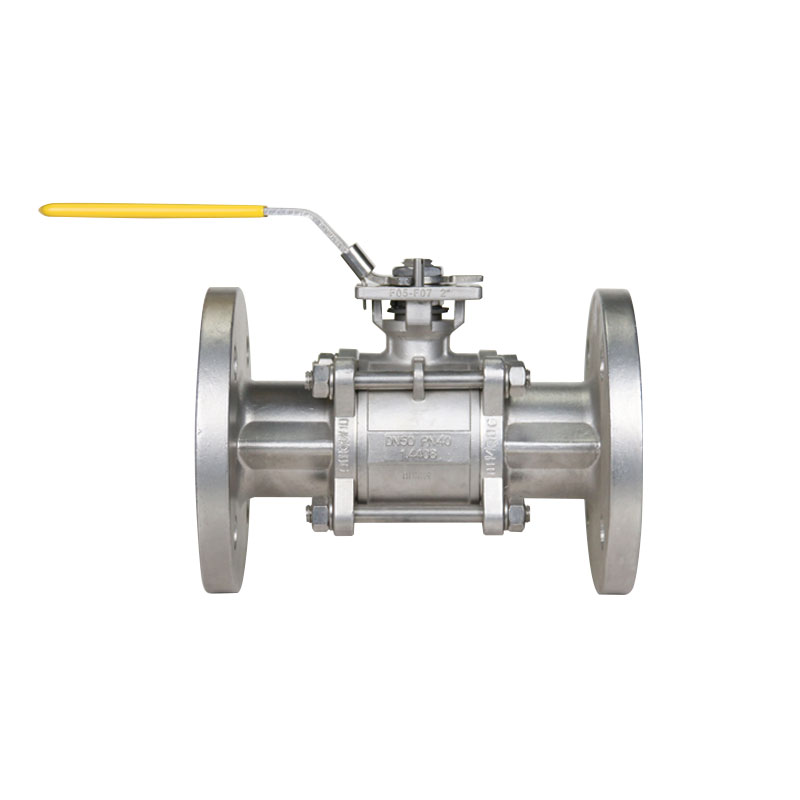
Zawór kulowy 3-częściowy
Modułowa, trzyczęściowa konstrukcja korpusu. Łatwa konserwacja bez konieczności demontażu całego zaworu z rurociągów. Preferowany w systemach wymagających częstych przeglądów, takich jak zakłady przetwórstwa spożywczego i zakłady chemiczne.
Zawór kulowy z górnym wejściem
Czynności konserwacyjne można wykonywać od góry zaworu, bez odłączania kołnierzy. Jest to powszechnie stosowane w podziemnych rurociągach i stacjach gazu ziemnego.
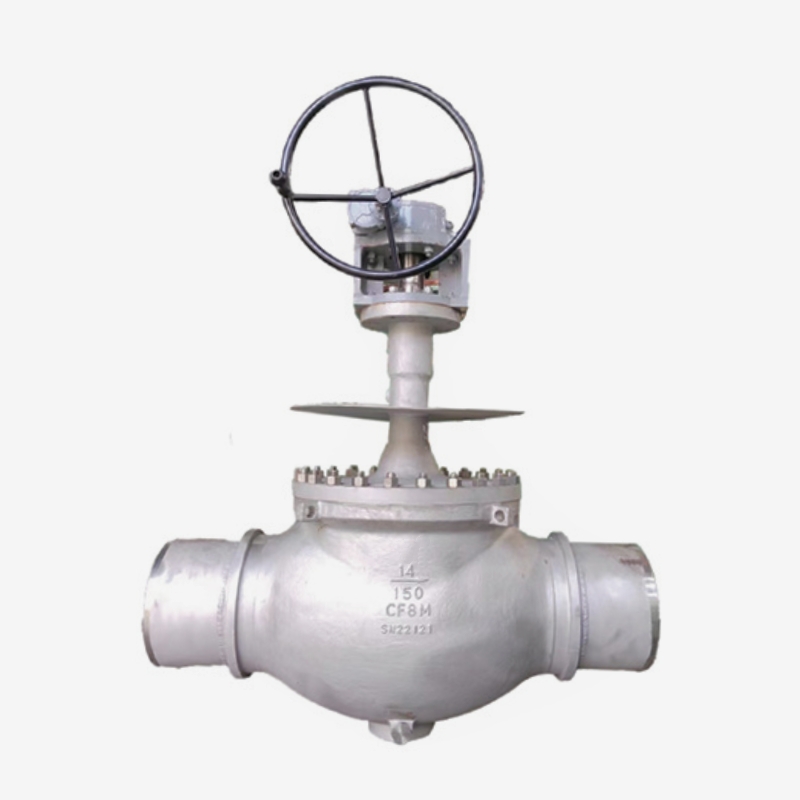
3. Wybór materiałów nadwozia i wykończenia
Zgodność materiału z medium procesowym ma kluczowe znaczenie dla zapobiegania korozji, erozji i wyciekom.
Stal węglowa WCB: Nadaje się do pary o wysokiej temperaturze, oleju ogólnego zastosowania i nieagresywnej wody przemysłowej; szeroko stosowana w przemyśle energetycznym i cieplnym.
Stal nierdzewna SS304 / SS316: Do wody, słabych kwasów, zasad i powszechnie stosowanych środków chemicznych.
Stal stopowa: Do pracy w wysokich temperaturach, przy wysokim ciśnieniu i obecności wodoru.
Stal nierdzewna duplex: Do stosowania w środowisku morskim, solance i silnie korozyjnym.
4. Materiał siedziska i uszczelki
Materiał uszczelniający decyduje o szczelności i zakresie temperatur pracy:
PTFE / RPTFE: Doskonała odporność chemiczna, do środowisk o temperaturze poniżej 200°C, do ogólnych zastosowań przemysłowych w środowisku czystym.
Nylon, Peek: Większa odporność na zużycie, odpowiedni do mediów zawierających drobne cząstki stałe.
Siedzisko metal-metal: Do zastosowań w wysokich temperaturach, przy wysokim ciśnieniu, przy dużej prędkości przepływu cieczy i pary, zapewniające szczelne zamknięcie za pomocą twardego metalu.
5. Typ połączenia końcowego
Wybierz metodę połączenia na podstawie instalacji, konserwacji i stopnia ciśnienia:
Połączenie kołnierzowe: łatwy demontaż, stabilne uszczelnienie; typowe dla dużych rurociągów przemysłowych i wysokociśnieniowych.
Połączenia gwintowane: Stosowane głównie do zaworó małych rozmiarów przeznaczonych do pomocniczych rurociągów niskociśnieniowych.
Połączenie spawane doczołowo/gniazdowo: Idealne do stosowania w przypadku wysokiego ciśnienia, wysokiej temperatury i niebezpiecznych mediów, zerowe ryzyko wycieku.
6. Wybór siłownika
Obsługa ręczna lub sterowanie automatyczne zależy od konstrukcji systemu:
Zawór kulowy ręczny (obsługa uchwytu/przekładni): Prosty, tani, używany do okazjonalnego przełączania.
Zawór kulowy pneumatyczny: szybkie przełączanie, opcjonalnie przeciwwybuchowy, najpopularniejszy wybór w automatycznych procesach przemysłowych.
Elektryczny zawór kulowy: odpowiedni do miejsc bez sprężonego powietrza, wygodny do zdalnego sterowania sygnałem PLC.
Siłownik hydrauliczny: Do zaworów kulowych o bardzo dużej średnicy i dużym momencie obrotowym, do dużych obciążeń.
7. Kluczowe odniesienie do scenariusza zastosowania
Rurociąg pomocniczy elektrowni: zawór kulowy ze stali węglowej montowany na czopie, połączenie kołnierzowe, opcja z metalowym gniazdem dla medium o wysokiej temperaturze
Branża uzdatniania wody: Pływający zawór kulowy ze stali nierdzewnej, miękkie siedzisko PTFE
Rurociąg przesyłowy gazu ziemnego: Zawór kulowy z czopem o konstrukcji antystatycznej i ognioodpornej
Medium żrące chemicznie: zawór kulowy ze stali nierdzewnej SS316 lub dupleksowej z miękkimi siedziskami odpornymi na korozję
Branża spożywcza i napojów: Sanitarny zawór kulowy ze stali nierdzewnej z przyłączem zaciskowym
8. Ważne dodatkowe funkcje bezpieczeństwa
W przypadku niebezpiecznych warunków pracy w przemyśle należy rozważyć dodatkowe konfiguracje:
Konstrukcja ognioodporna: zapobiega wyciekom na dużą skalę w przypadku stopienia się uszczelki podczas pożaru
Urządzenie antystatyczne: Rozładowuje ładunki elektrostatyczne, zapobiega ryzyku wybuchu w przypadku mediów łatwopalnych
Trzpień zabezpieczony przed wyrzuceniem: zapobiega wyrzuceniu trzpienia pod wpływem ciśnienia wewnętrznego
Urządzenie blokujące: Zablokuj pozycję otwartą / zamkniętą, aby uniknąć nieprawidłowej obsługi
Wniosek
Wybór odpowiedniego przemysłowego zaworu kulowego to nie tylko dopasowanie rozmiaru rury i ciśnienia roboczego. Inżynierowie muszą kompleksowo ocenić medium robocze, temperaturę, ciśnienie, konstrukcję, materiały, metody połączeń i tryby działania. Niewłaściwy dobór może prowadzić do wycieków wewnętrznych, zacięć w działaniu, szybkiego starzenia się uszczelnień i konieczności częstej konserwacji.
GEKO oferuje pełną gamę zaworów kulowych pływających, zaworów kulowych z mocowaniem czopowym oraz zaworów kulowych trzyczęściowych w zróżnicowanych konfiguracjach materiałowych, aby sprostać indywidualnym potrzebom elektrowni, przemysłu petrochemicznego, uzdatniania wody, ciepłownictwa i gazu ziemnego. Skontaktuj się z naszym zespołem technicznym, aby uzyskać profesjonalne wsparcie w doborze zaworów kulowych do swoich projektów przemysłowych.

 E-mail
: info@geko-union.com
E-mail
: info@geko-union.com
 E-mail
: info@geko-valves.de
E-mail
: info@geko-valves.de
 E-mail
: tw@geko-union.com
E-mail
: tw@geko-union.com
 E-mail
: nl@geko-union.com
E-mail
: nl@geko-union.com


 Obsługiwana sieć IPv6